
About
3rd Year Industrial Design Project (ECUAD)
My Role
3D Modeler
Industrial Designer
Graphic Designer
Team
Bea Ilagan
Software
Solidworks, Modo, Tinkerine, Photoshop, and Illustrator
Timeline
Sept - December 2019 (4 Months)
Problem Space
Explore the value of digital manufacturing and use digital manufacturing technology techniques to design in a creative and exploratory way.
Challenges
How can we make gardening user-friendly?
How can we encourage indoor gardening?
How can we create a garden space for users with small living spaces?
Timeline

Renderings
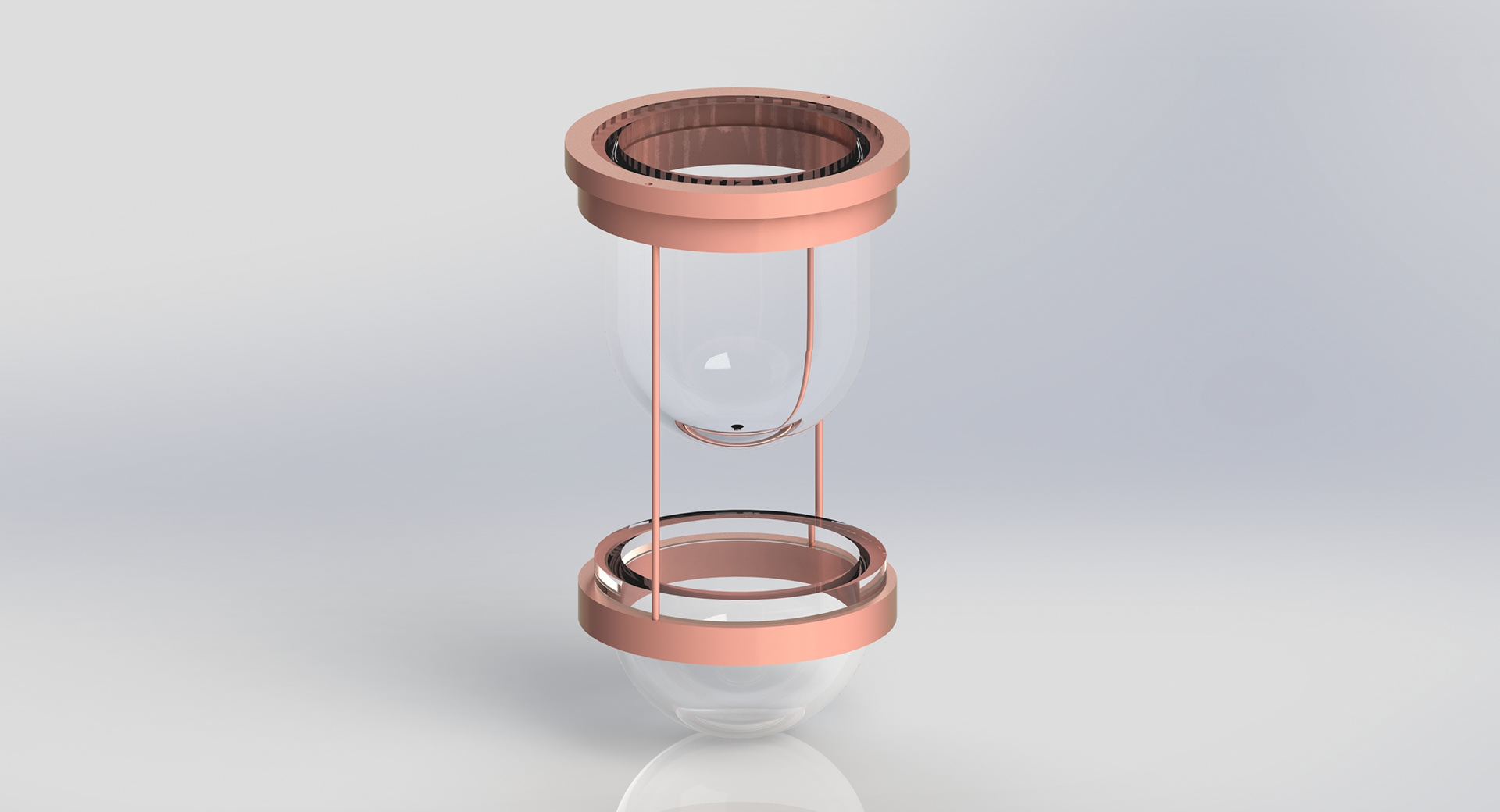
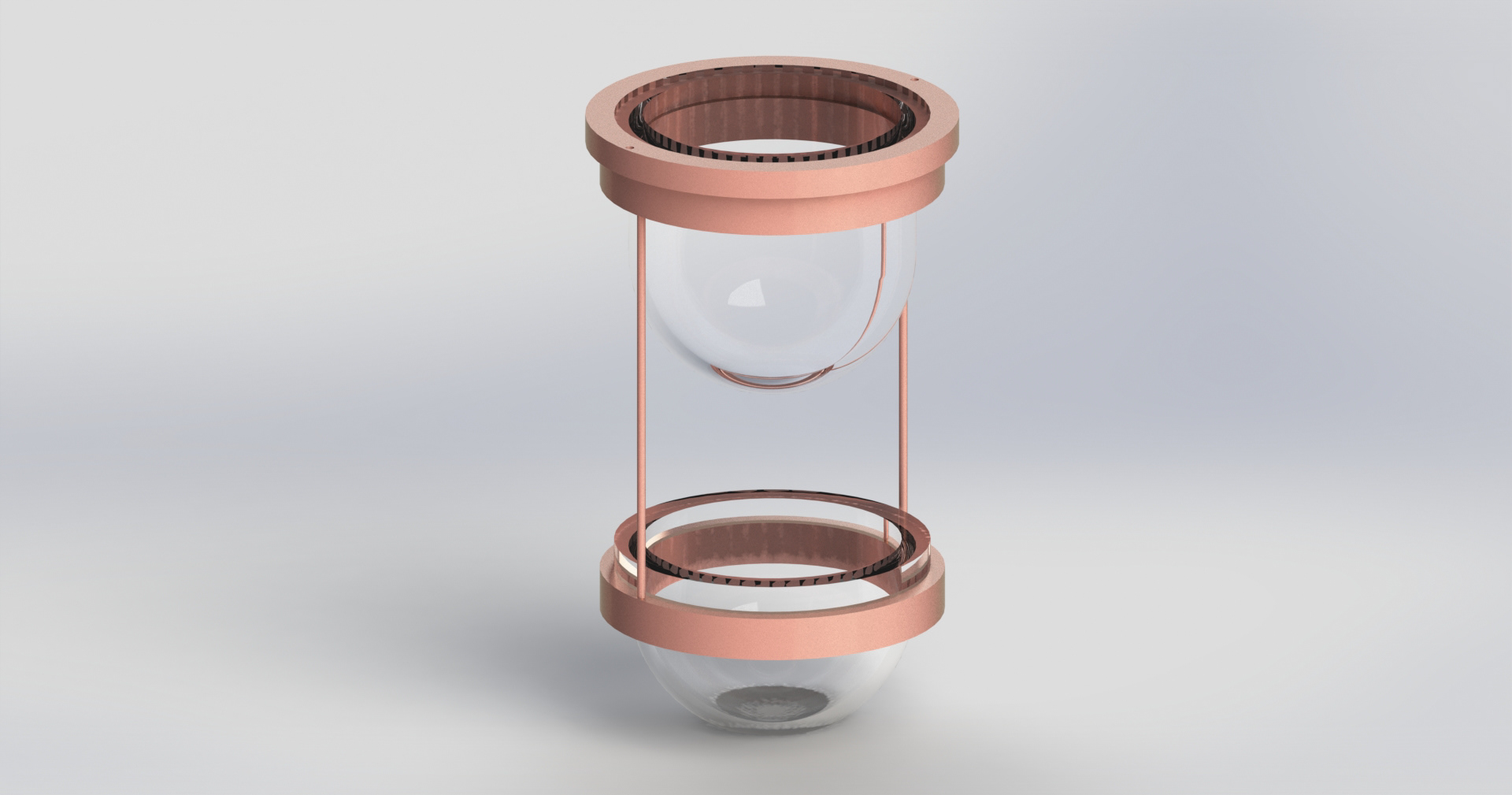
Used Solidworks to build prototype to test print.
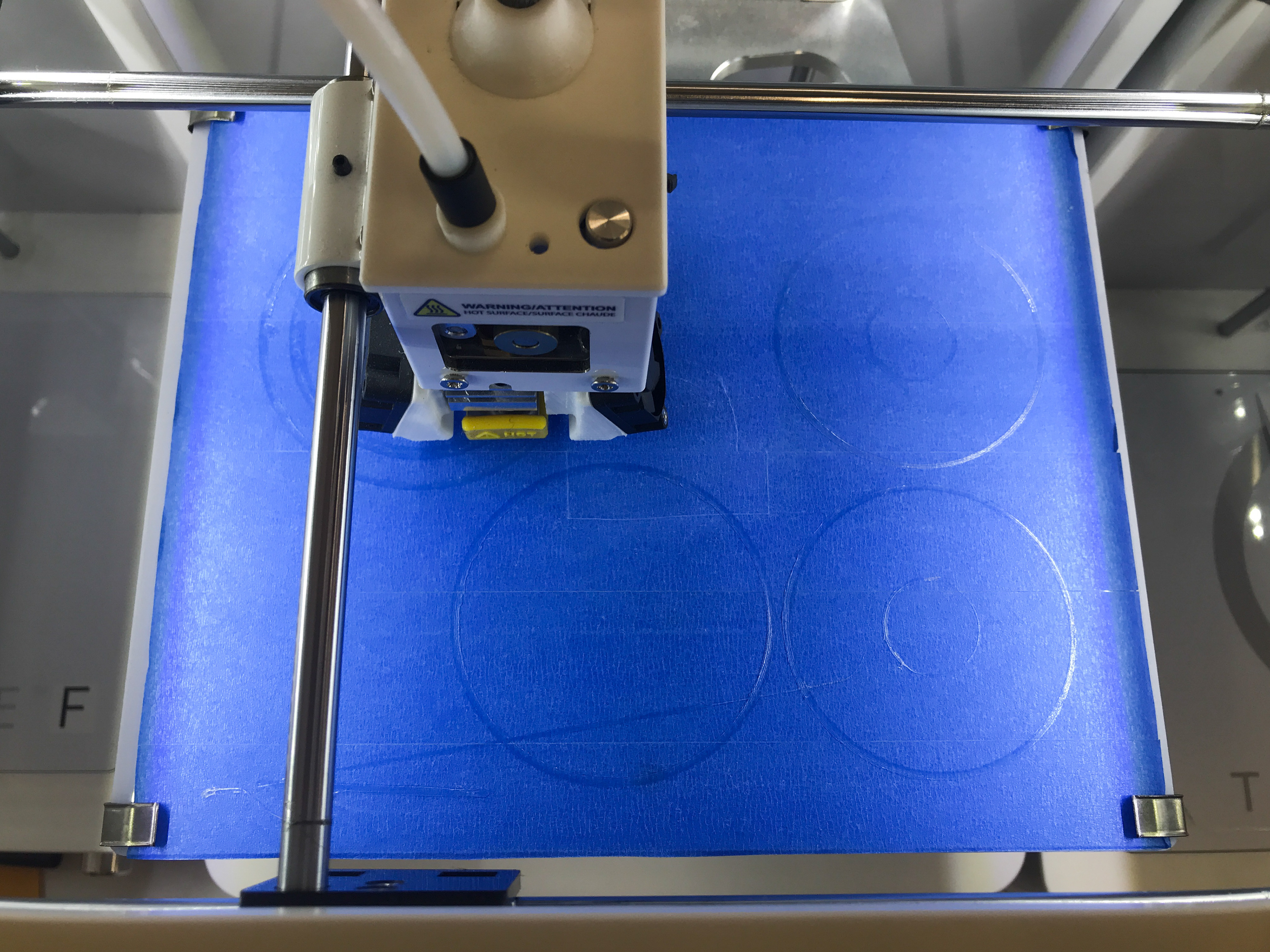
3d Printing
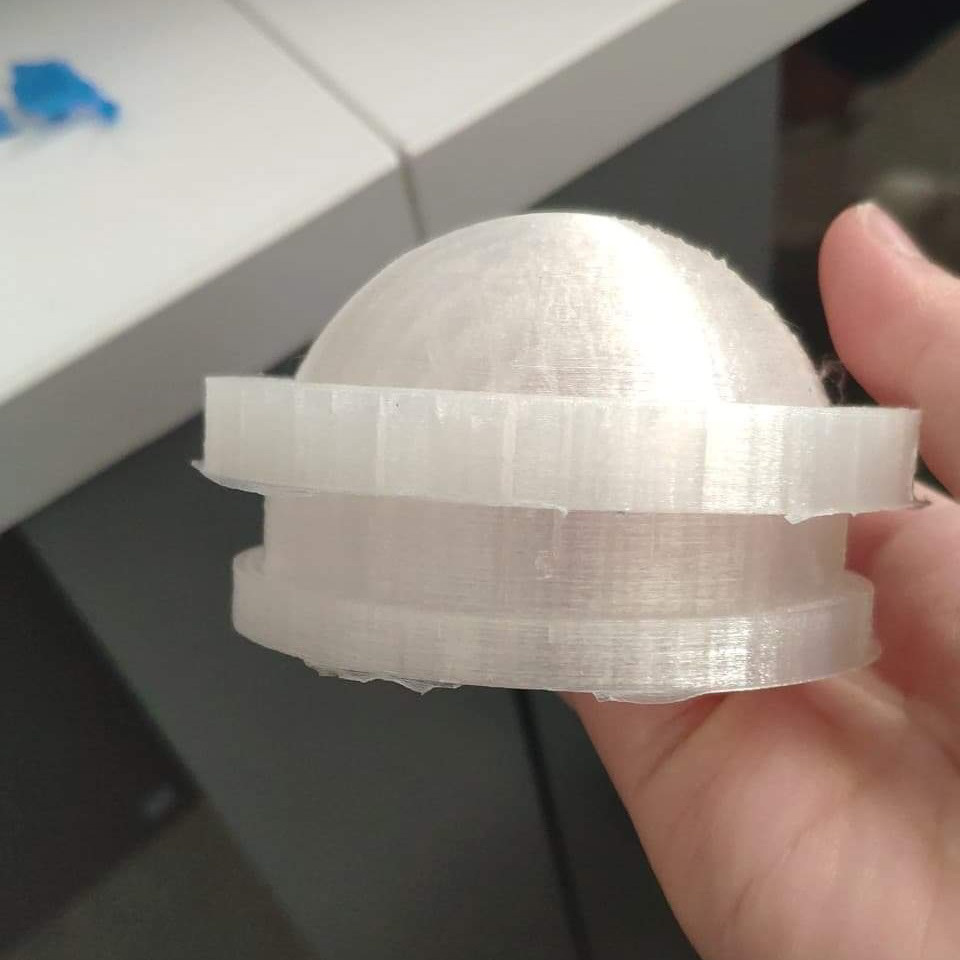
This marks the beginning of our physical testing process. 3D printing helped us evaluate results and solve problems through having a physical, high-fidelity prototype on hand.
Ideation
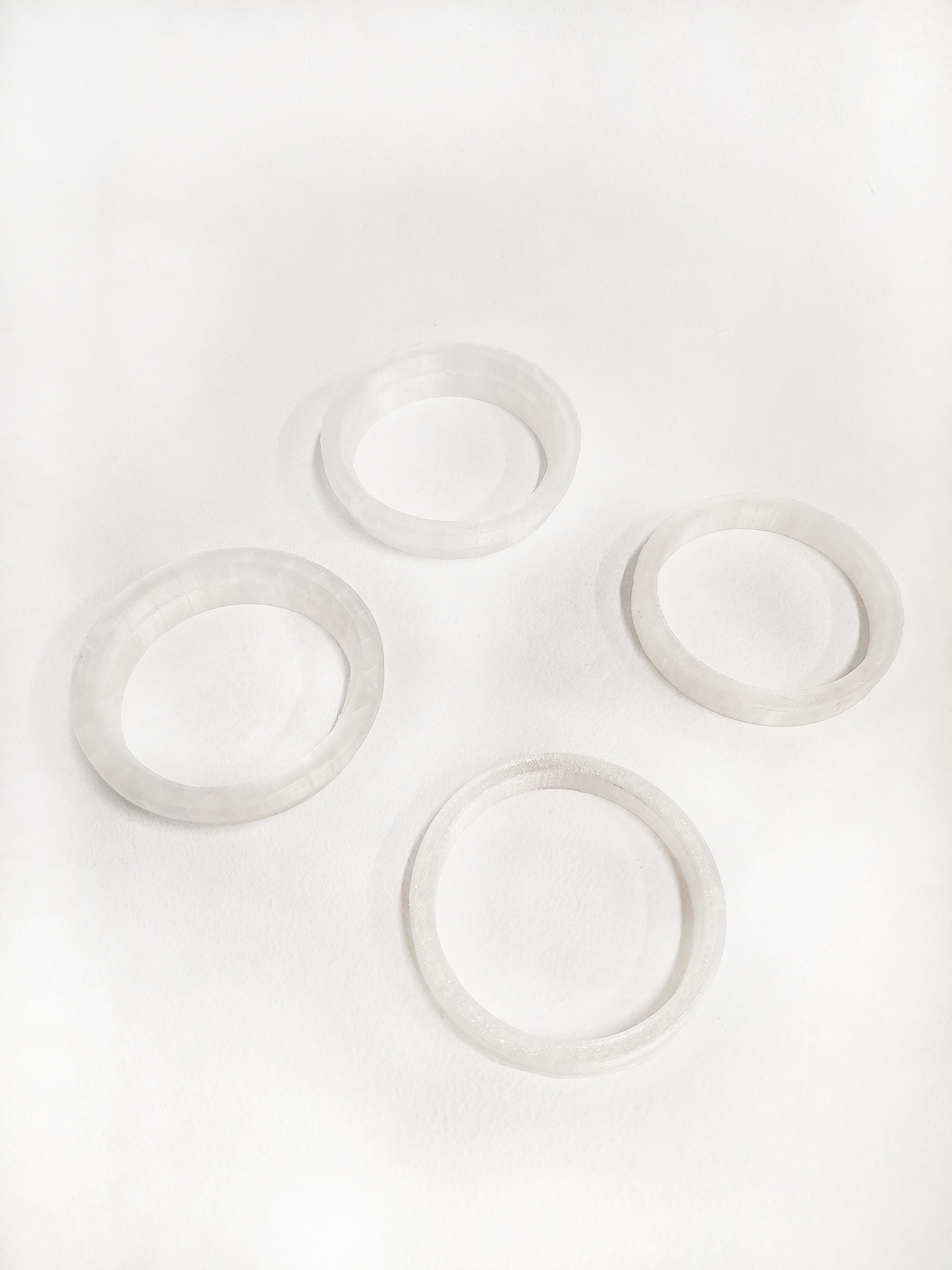
3D printed prototyping and testing out the best fit tolerance from 0.01-0.05".
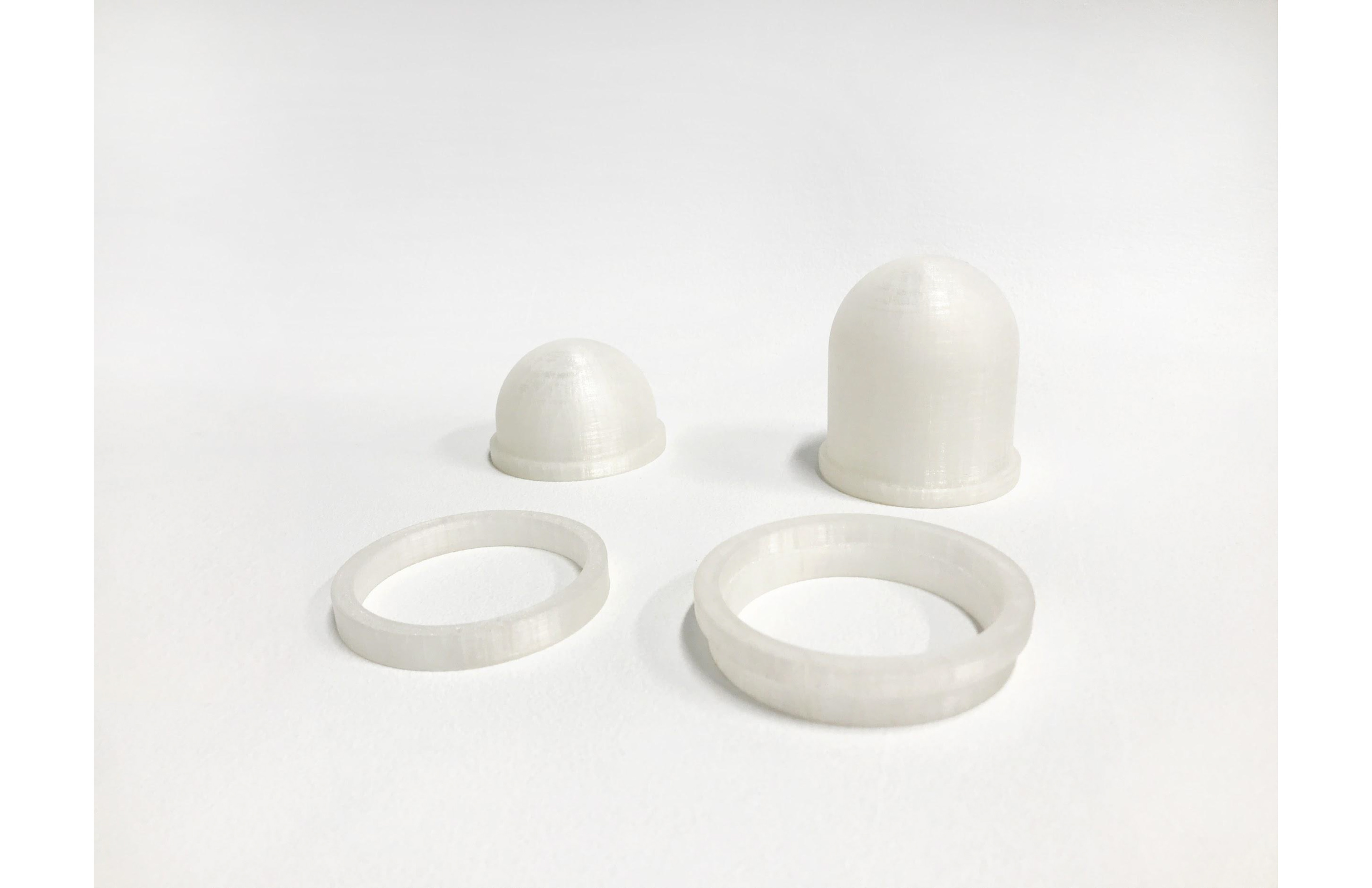
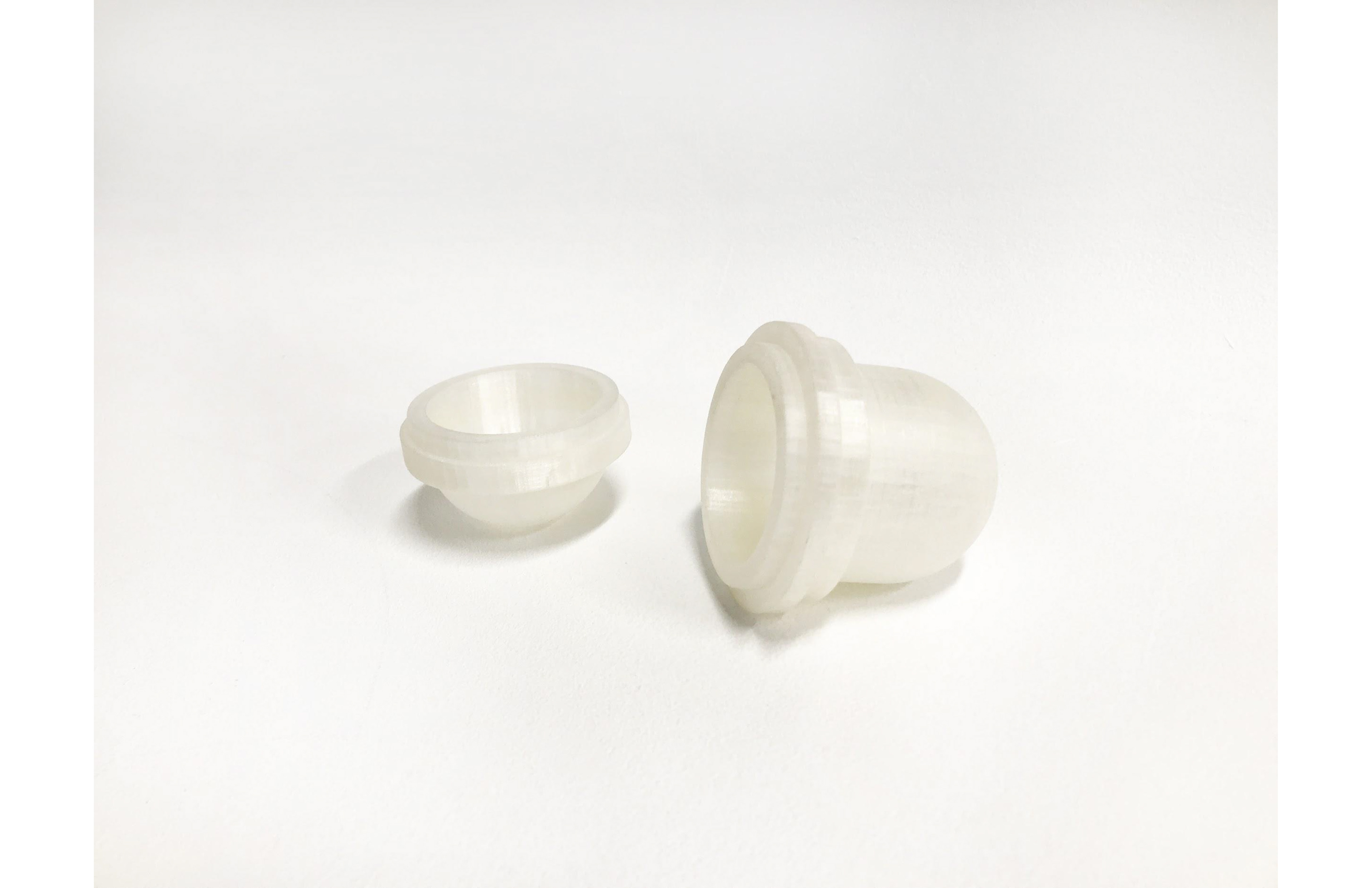
Shown in the images above is the final iteration of our prototype. All tolerances were set at 0.05 in. as that allows for the smoothest release of the pots. This is something that we analyzed and learned through having a physical prototype.
We wanted to consider ease in using the product, for instance, a product with a tight tolerance will still work, however, removing it every time the water needs to be replaced may be struggle for the user. So we wanted it to be loose enough to be taken out using just one hand, whilst still being able to sit in its place securely.
Sustainability Elements
ethical considerations / values / mission
Our mission / objective is to allow people to bring nature into their home, which at the same time, helps with the reduction of food waste.
Kitchen herbs are often sold in bunches, however, most at-home recipes only require a small amount of these ingredients. Because of this, we thought that having a personal resource would allow people to grow herbs locally, and in small batches, therefore only taking and consuming what is needed. We saw this as a more ethical and sustainable approach to harvesting plants as it prevents food wastage.
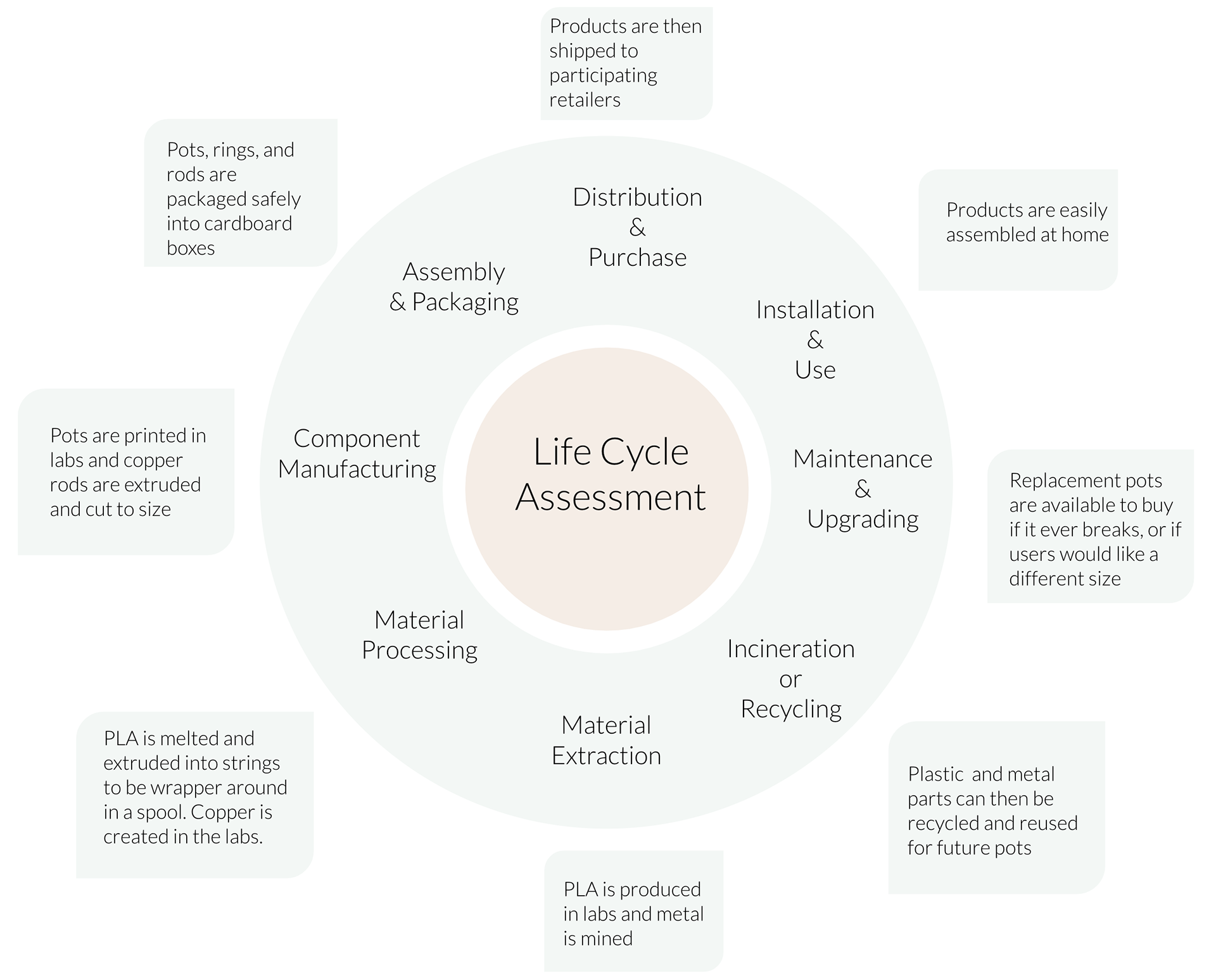
Additionally, our material choices were also carefully selected to have reduced environmental impact. Glass and copper can be easily reused and recycled, while cotton (string) is a natural biodegradable fiber.
Life Cycle Analysis
Final Design
Plantime
Watering your plants, covered in no time.
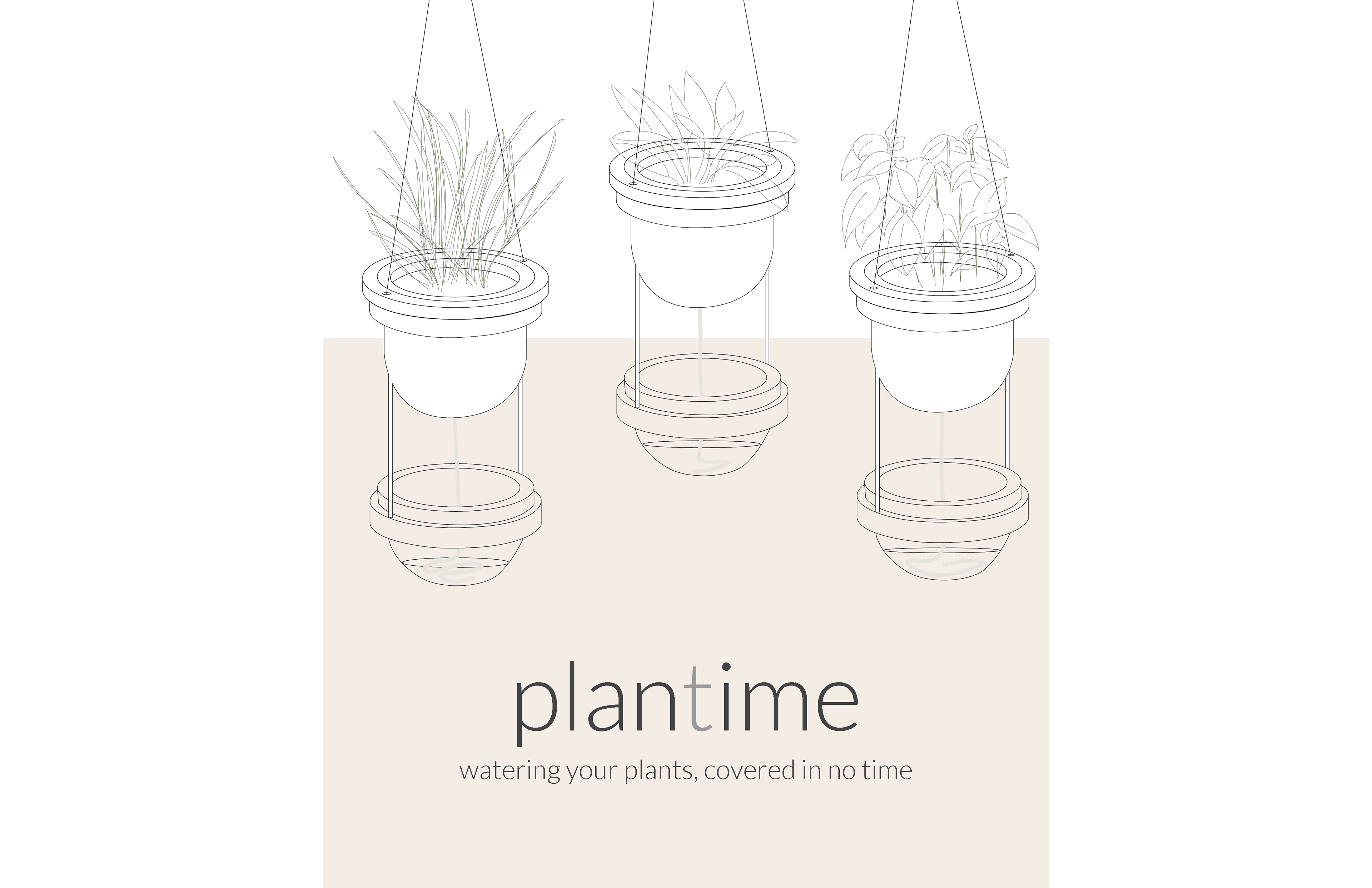
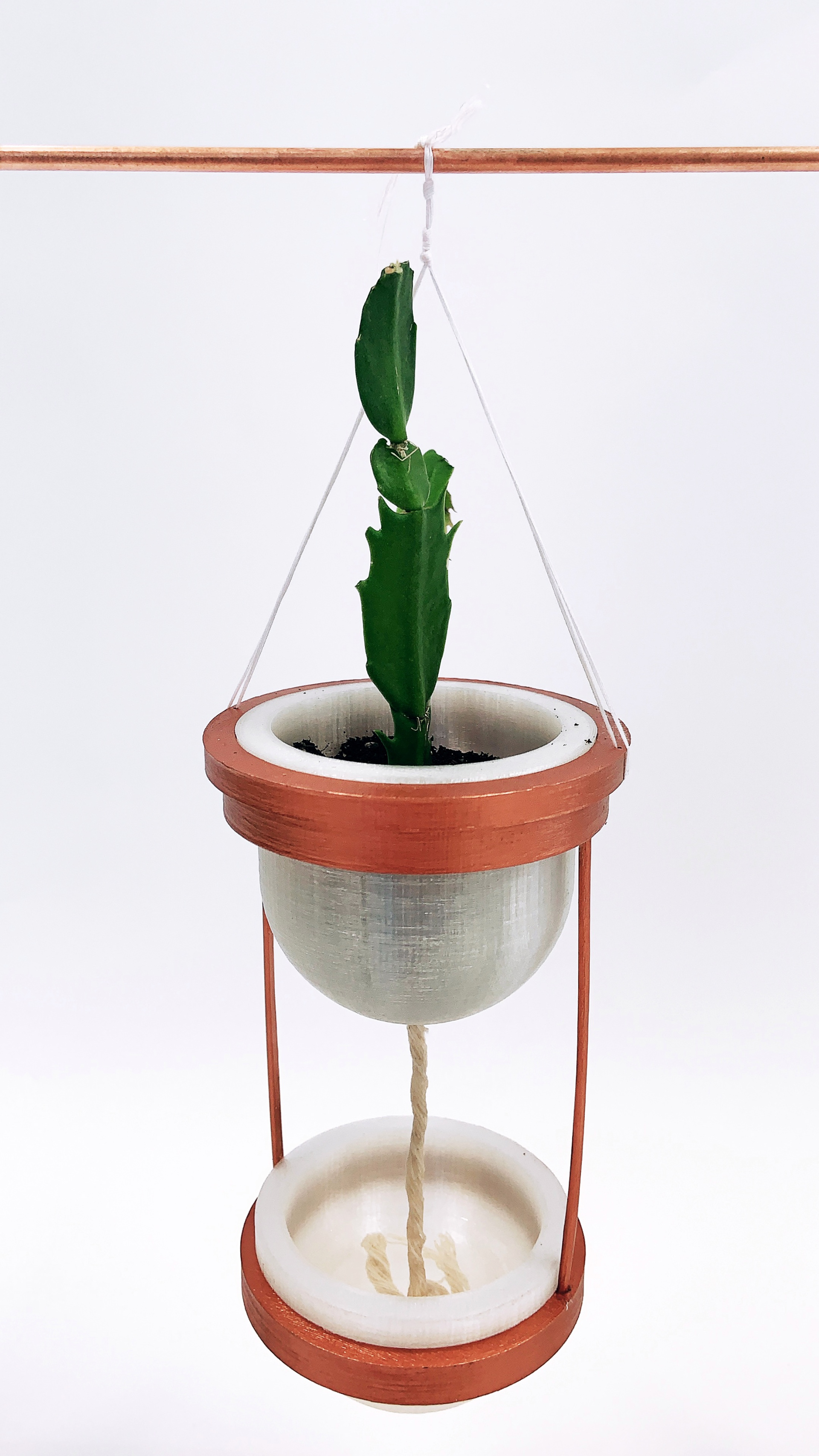
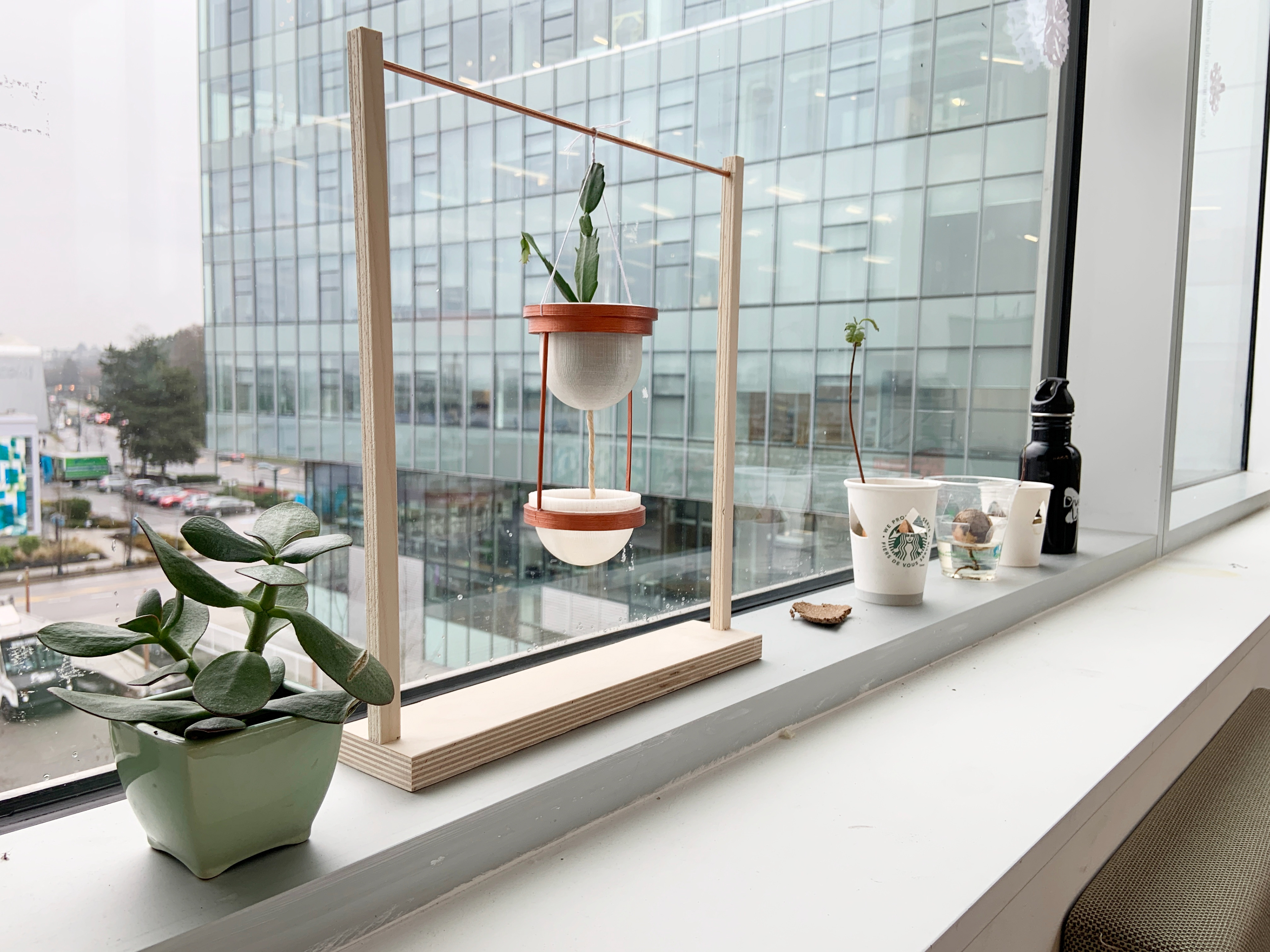
Plantime is a self-watering planter that is designed for moisture-loving plants, like kitchen herbs; parsley, mint, and basil to name a few. It works by having water drawn from the reservoir by a cotton string, distributing it into the soil, and is then absorbed by the roots of the plant!
It is designed to allow users to water their plants less frequently, or keep their plants hydrated when they’re out of town.
This project delivers a proof-of-concept 1:2 scale prototype, 3D printed with PLA filament. If manufactured, it would compose of a copper injection-molded frame, terracotta or clay slip-casted pot, and a glass casted reservoir.